Opening moon · September 30, 2026 edition
Hunter’s Moon
Provisions for the dark
Astronomical full phase · Waseca / America/Chicago
26 Oct 2026 at 04:12 UTC
Until the full-phase instant. Times are published to the minute; the countdown uses your device’s clock.
October 2026 — September 2027
A fixed edition of 12 verified full moons.
Sources checked
Central dates observe daylight saving time.
The dates. The names. The turning year.
Twelve nights of full light.
Popular English-language North American almanac names, drawn from varied traditions. They are not a universal Indigenous calendar; communities and places have their own names and seasonal meanings.
- MOON 01
Hunter’s Moon
26 Oct 2026 at 04:12 UTC
The full moon following the northern Harvest Moon. Reference
Hunting and provisions for the coming winter. Name source
- MOON 02
Beaver Moon
24 Nov 2026 at 14:53 UTC
Trapping before wetlands froze, in almanac tradition. Name source
- MOON 03
Cold Moon
24 Dec 2026 at 01:28 UTC
Winter cold and the year’s long nights. Name source
- MOON 04
Wolf Moon
22 Jan 2027 at 12:17 UTC
Winter wolf howls, in the almanac’s telling. Name source
- MOON 05
Snow Moon
20 Feb 2027 at 23:23 UTC
A seasonal name for heavy winter snow. Name source
- MOON 06
Worm Moon
22 Mar 2027 at 10:44 UTC
Thawing ground and the return of earthworm casts. Name source
- MOON 07
Pink Moon
20 Apr 2027 at 22:27 UTC
Named for ground phlox, not the Moon’s color. Name source
- MOON 08
Flower Moon
20 May 2027 at 10:59 UTC
Seasonal Blue MoonAlso the third of four full moons between the March equinox and June solstice: March 22, April 20, May 20 and June 19 (UTC dates). Reference
A name for abundant spring flowers. Name source
- MOON 09
Strawberry Moon
19 Jun 2027 at 00:44 UTC
The season of gathering ripe strawberries. Name source
- MOON 10
Buck Moon
18 Jul 2027 at 15:45 UTC
Summer growth of buck antlers. Name source
- MOON 11
Sturgeon Moon
17 Aug 2027 at 07:29 UTC
Great Lakes and Lake Champlain fishing, in almanac tradition. Name source
- MOON 12
Harvest Moon
15 Sep 2027 at 23:03 UTC
The 2027 September equinox is September 23 at 06:02 UTC. This full moon is the nearest; September’s monthly almanac name is also Corn Moon. Reference
The full moon nearest the northern autumnal equinox. Name source
UTC events, shown in your calendar’s time zone. No reminders are added.
A moment in the sky / a night on Earth
Know what you’re looking at.
One instant. Different dates.
Full moon is an astronomical alignment: the Moon is opposite the Sun in the sky as seen from Earth. The phase happens at one worldwide instant. Your calendar date depends on your time zone.
The first moon in this edition is October 26 at 04:12 UTC, which is October 25 at 11:12 p.m. in Central daylight time. Both describe the same event. Phase source
Plan a viewing night.
The Moon can look full on the nights around the phase. For the October event, try the evenings of October 25 or 26 in Central time. For any listed moon, consider the surrounding evenings and check your local moonrise, horizon and weather.
A full-phase time is not a moonrise appointment or a guarantee the Moon is above your horizon. A clear evening can be a better viewing opportunity than the precise phase minute. NASA’s phase guide
Harvest, then Hunter.
In this northern seasonal convention, the Harvest Moon is the full moon nearest the autumnal equinox. It can occur in September or October. The Hunter’s Moon follows it.
Here, September 15 is the 2027 Harvest Moon, nearest the September 23 equinox. These names describe seasonal relationships; they do not change the Moon’s phase. Harvest reference
A blue moon in May.
May 20, 2027 is a seasonal Blue Moon: the third of four full moons in the astronomical season between the March equinox and June solstice.
The other common definition is the second full moon in a calendar month; that depends on the time zone. None of this edition’s twelve is a second-in-month Blue Moon in UTC or Central time. Neither name means the Moon must look blue. Blue Moon reference
The authored worlds of Normal Like Peter
Where the sky becomes a story.
The calendar above is astronomy; the names are sourced seasonal tradition. The Divine SuperCluster is Matt Stoltz’s authored theological atlas, and Wishmaster Blu’s booth is Carnival fiction. Follow those doorways for NLP’s own imaginative worlds, with their registers intact.
Sources & edition notes
- U.S. Naval Observatory — phase tableFull-phase dates and times. USNO publishes Universal Time to minute precision; displayed here as UTC to that precision.
- The Old Farmer’s Almanac — moon namesThe modern almanac collection used for the short name histories, with cultural variation acknowledged.
- NASA — Harvest MoonFull moon nearest the northern autumnal equinox.
- USNO — the two Blue Moon definitionsThe seasonal convention and May 20, 2027 occurrence.
- USNO — 2027 equinoxes and solsticesSeason boundaries used for the Blue and Harvest Moon labels.
- NIST — daylight saving time rulesCentral time alternates between CST (UTC−6) and CDT (UTC−5).
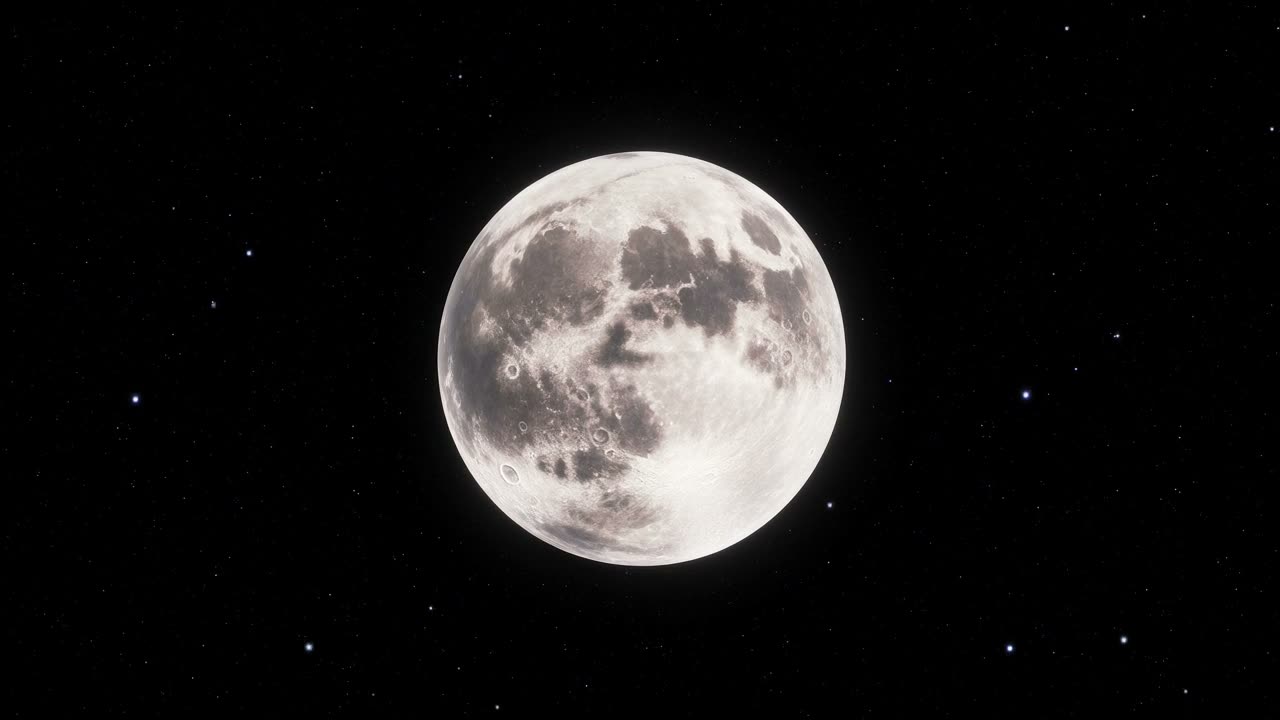
Checked September 30, 2026. This edition ends with the September 15, 2027 full moon; later dates require a new source check. The live selection advances only through these verified entries. Illustrative moon artwork is reused from NLP’s Stardate page; it is not a simulation of the next moon’s appearance.